


Restoring an antique car is an odyssey of passion, legacy, and workmanship. Seeing a classic auto body shop near me reminds you that behind every shining body is a tale of expert hands and a lot of labor. Every element of classic car restoration counts. The panels, curves, and finishes that give the car a rolling piece of art painstaking attention. The approach combines science and art, exact labor matched with artistic decisions. When bringing historical beauty back to life, the human touch is indispensible even in these day of technology.
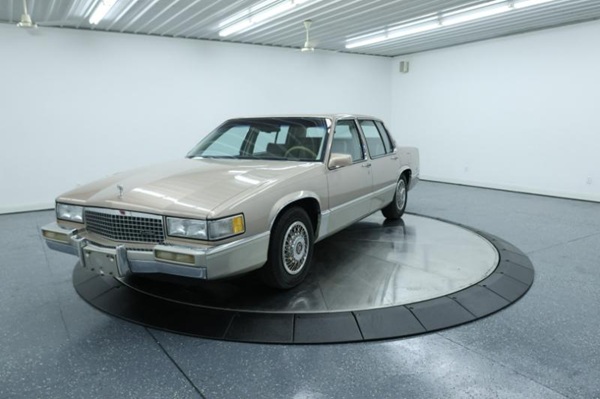
Old-fashioned methods provide these projects unique value. Decades of traditional metal shaping techniques are used by craftspeople. Using hammers, dollies, and manual files, they shape sheet metal into curves evocative of a time past. Though their use calls for years of experience, these tools seem basic. Using these tools feels for many like a dance in which every step, every hammer hit has significance and purpose.
Classic automobile painting is an artistic endeavor in itself. Skilled painters hand-mix colors, changing tones until they replicate the real look of the era. Never cutting corners even with new equipment calling for speed; they employ hand spray guns and even brushes. This procedure is deliberate but patient. Like a chef tasting a meal while it is still being cooked, it demands repeated tests and changes. Such meticulousness gives the car its lifeblood and brings living character back into steel and chrome.
Further actions that give the car a perfect and smooth appearance are sanding and body fillers. Many professionals would rather hand sand. They put great effort to eliminate flaws. This is a vital stage that takes time since every stroke builds on the one before it smooths away roughness and honors the original contours of the car. A rough surface can become a masterpiece with a light hand running over sandpaper. From one generation to the next, the methods have been handed on and have developed while ever losing their initial appeal.
Welding on a vintage car calls for great attention. Still in use today are the conventional gas tungsten arc welding (GTAW) or even the antiquated oxy-acetylene techniques since they provide the metal a gentle, controlled bond. In restoration work, welding is no little accomplishment. Welders skillfully mix heat and accuracy to unite metal components utilizing years of practice. Every weld can influence the body’s whole equilibrium, thus this work requires consistent hands and good judgment. Skilled workers sometimes remember fixing family relics, where every flicker of the torch promised a resurrected legend.
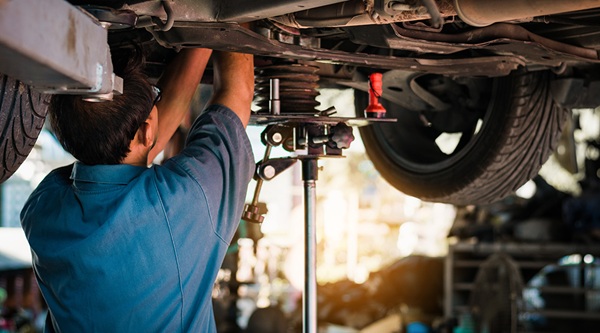
Not least of importance is the hardware holding a restoration together. Braces, rivets, and fasteners have to fit the era of the car. Many antique automobile aficionados hunt for vintage stock or have handmade copies created by handcrafted artists believing in the value of history. Using components that feel and look good helps to maintain the full authenticity of a design. This is a love letter to the times when manufacturing was an art, not only a cure-all solution.
Keeping these vintage vehicles looking as they should is a fight against the elements and time. Instead of harsh brushes, regular washing with mild soaps and soft towels will help to prevent paint fade. Some owners use wax coatings to maintain the sheen perfect and provide a layer of protection from the constant sunlight. Regular maintenance for windscreen seals, rubber trims, and chrome detailing is required Ignoring these little chores is like neglecting a garden; nature will take back what you have worked so hard to protect.
Many aficionados spoke well of the beauty a little patina can provide. Patina relates a tale of spring mornings, summer rides, and cold fall excursions. Still, there’s an artistic balance between honoring the car’s past and allowing it to fade or suffer too much. In plain English, you have to monitor the paint job and decide whether to let the character really show through and when to clean it. All relies on your taste and the originality of the car. Every car owner learns to be both custodian and historian.
Classic automobile bodywork remain in perfect shape when approached practically hands-on. Frequent inspections help to identify issues before they cause expensive repairs are needed. Some people enjoy looking behind panels to make sure seams are tight and strong. Others concentrate on the trim and fittings so that every bolt is set as it should be. Sounds really straightforward? Still, it calls for expertise as well as enthusiasm. Many historic automobile owners find themselves driven to spend weekends elbow-deep in grease and nostalgia by this commitment. A automobile is said to be like a living thing; if you treat it correctly, it will show you affection in return.
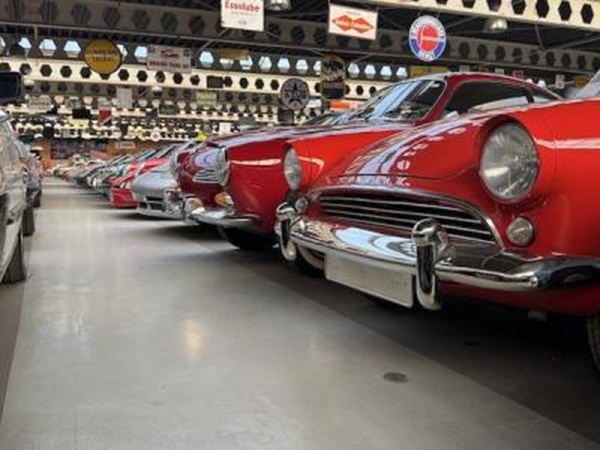
There are other difficulties as well. Time will steadily erode the body’s polish. Sunlight can cause the clear layer to peel off, and moisture may produce rust stains in otherwise unseen areas. Correcting these problems calls for frequent touch-ups and spot repairs. For a minor scratch, for example, one can usually treat it with a careful dab of color-matched paint instead of a whole panel repaint. Careful strokes and fine brushes enable retouching these markings without changing the general appearance. This maintains the car’s original character.
Many times, restorers tell tales from decades of work on vintage vehicles. One seasoned technician remembered a remarkable day when he corrected a dent with just hand tools, some creativity, and lots of coffee a bit of magic. That day became a treasured memory, a sign that occasionally the best answers emerge from diligence and simplicity. For those who enjoy vintage cars, these stories help them to feel like they belong. They remind everyone that the process is about the trip and the delight of working with your hands as much as with the final result.
Though the fundamental instruments remain the same, methods in restoration are always changing. Some stores have tried computer-aided design to create body panel patterns before hand-shapes metal. This blending of digital tools with practical knowledge is like adding a modern twist to classic recipes. The techniques interact and each offers something unique. While the digital world can provide measures with extreme accuracy, it cannot provide the nostalgic sense of workmanship refined by years over conventional methods.
