


Car accidents, no matter how minor or severe, can be stressful and overwhelming. After the initial shock has subsided, one of the first things on your mind is likely how to get your vehicle back to its pre-accident condition. That’s where crash auto repair comes into play. Whether it’s a fender bender or a more significant collision, crash auto repair is essential to ensure your vehicle is safe to drive and looks as good as new.
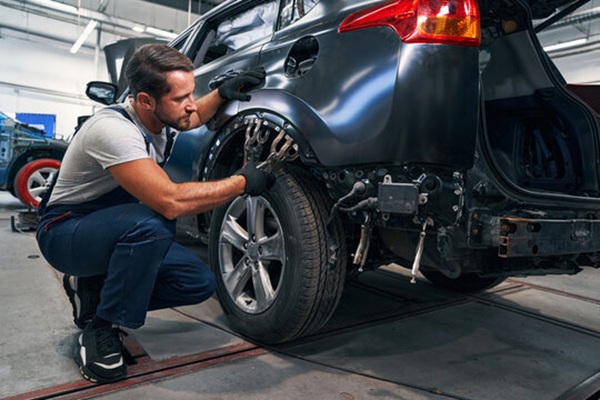
In this article, we’ll discuss the importance of crash auto repair, the steps involved in the repair process, and how to choose the right shop for your needs.
What Is Crash Auto Repair?
Crash auto repair refers to the process of fixing a vehicle that has been involved in a collision or accident. This can include a wide range of repairs, from fixing minor cosmetic damage such as dents and scratches to more serious structural damage to the frame or mechanical components. The goal of crash auto repair is not only to restore the vehicle’s appearance but also to ensure that it is safe to drive and that it meets the manufacturer’s safety standards.
Accidents can affect different parts of the vehicle, including the body, frame, engine, transmission, suspension, and electrical systems. As a result, crash auto repair is often a complex and detailed process that requires specialized tools, knowledge, and experience.
Why Crash Auto Repair Is Important
After an accident, it’s essential to address any damage to your vehicle promptly. Ignoring or delaying repairs can lead to further problems down the road. Here are some of the key reasons why crash auto repair is so important:
Safety Concerns: The primary reason to have your car repaired after an accident is safety. Even a minor accident can compromise the structural integrity of the vehicle, making it less safe in the event of a future collision. If the frame or other vital parts of the car have been damaged, it’s crucial to have them restored or replaced to ensure that your vehicle is safe to drive.
Vehicle Performance: Accidents can impact the performance of your vehicle, even if the damage isn’t immediately apparent. The suspension, alignment, and engine can all be affected by a collision. Crash auto repair addresses these issues, helping to restore the vehicle’s handling and overall performance.
Preventing Further Damage: If left unchecked, the damage from an accident can worsen over time. For example, small dents or scratches can lead to rust formation, and misaligned parts can cause further mechanical issues. Prompt repair prevents the spread of damage and helps protect your vehicle’s long-term value.
Resale Value: A car that has been involved in an accident but not properly repaired can lose significant resale value. Potential buyers may be hesitant to purchase a vehicle that has visible damage or that may have underlying issues that were never addressed. Professional crash auto repair can help maintain your car’s value by restoring its appearance and functionality.
Insurance Claims: Many insurance policies require that you repair your vehicle after an accident in order to maintain coverage. If you decide to sell the car in the future or if another accident occurs, having proper documentation of crash auto repairs can be crucial for processing insurance claims.
The Crash Auto Repair Process
Crash auto repair is typically a multi-step process that involves inspecting, diagnosing, repairing, and testing the vehicle to ensure that it is restored to its original condition. While the exact process may vary depending on the extent of the damage, the following steps outline the general procedure for crash auto repair:
1. Initial Inspection and Damage Assessment
The first step in the crash auto repair process is a thorough inspection of the vehicle. A trained technician will assess both the visible and hidden damage to determine the full extent of the repairs needed. This includes evaluating the body, frame, suspension, and mechanical components to identify any issues that may not be immediately apparent.
If your vehicle is insured, the technician will often work with your insurance company to document the damage and estimate the cost of the repairs. In some cases, the insurance adjuster may need to inspect the car as well.
2. Disassembly and Damage Removal
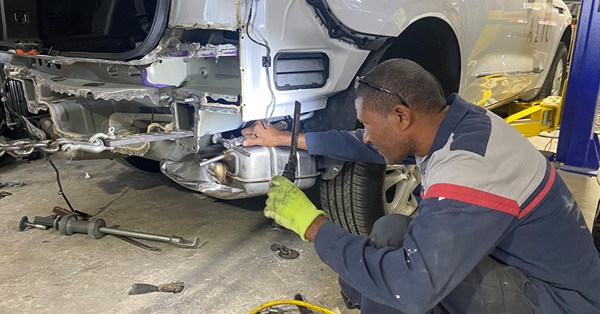
Once the initial inspection is complete, the vehicle is disassembled to access the damaged areas. This may involve removing panels, bumpers, fenders, and other parts of the vehicle. In cases of significant structural damage, the frame may also need to be straightened or replaced.
During this phase, any damaged parts that are beyond repair will be replaced with new or refurbished components. For example, a bent or cracked fender may be replaced, or a malfunctioning suspension system might be repaired or replaced entirely.
3. Frame and Structural Repair
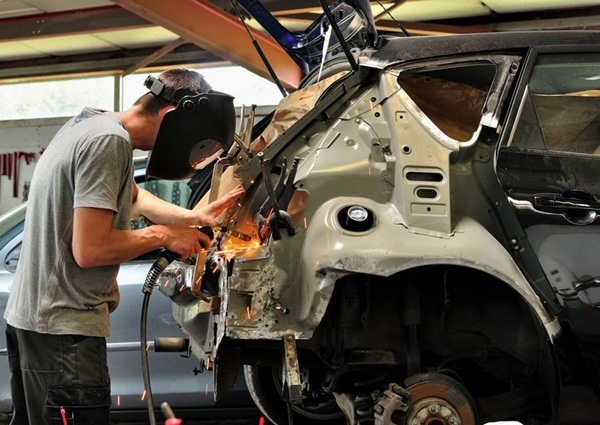
If the frame or structural components of the vehicle were damaged in the crash, they must be carefully repaired or replaced. Frame repair is one of the most critical aspects of crash auto repair because the frame is responsible for maintaining the vehicle’s structural integrity. Special tools like a frame machine or jig may be used to straighten the frame back to its original alignment.
In more severe accidents, it may be necessary to replace certain structural components entirely. A skilled technician will ensure that any repairs or replacements are done correctly, as improper frame repair can lead to long-term safety issues.
4. Body Repair and Refinishing
After the structural repairs are complete, attention is turned to the body of the vehicle. Dents, scratches, and other cosmetic damage are repaired by sanding, filling, and smoothing the affected areas. Once the body is properly prepped, the vehicle is repainted to match the original color and finish.
Paint matching is crucial for achieving a seamless appearance. High-quality auto body shops use advanced paint technology to ensure that the color and texture of the paint blend perfectly with the rest of the vehicle.
5. Mechanical Repairs
In addition to body repairs, a crash can also affect the mechanical components of your car. This may include damage to the suspension, exhaust system, engine, transmission, or electrical components. These issues will be addressed during the repair process to ensure that the car functions as it should.
For example, a collision may knock the wheels out of alignment, which can affect the vehicle’s handling. A technician will adjust the alignment to ensure that the car drives smoothly and doesn’t experience excessive tire wear.
6. Quality Control and Testing
Once all the repairs are completed, the vehicle undergoes a thorough inspection and testing process to ensure everything is functioning correctly. This may include road tests to check the handling and performance of the car, as well as diagnostic checks to ensure that no mechanical or electrical issues remain.
The final inspection also includes checking the cosmetic work to ensure that the paint job is even, and the body panels are properly aligned. The vehicle should look as good as, or better than, it did before the accident.
Choosing the Right Crash Auto Repair Shop
When choosing a crash auto repair shop, it’s important to find a reputable and experienced facility that can handle the type of repairs your vehicle needs. Here are some tips for selecting the right repair shop:
Ask for Recommendations: Word-of-mouth recommendations from family, friends, or colleagues can help you find a trustworthy repair shop. If someone you know has had a positive experience, there’s a good chance you will too.
Check Reviews and Ratings: Online reviews on platforms like Google or Yelp can provide insight into the quality of service at a particular shop. Look for consistently positive reviews and pay attention to feedback regarding customer service, quality of repairs, and turnaround time.
Look for Certifications: Reputable shops should be certified by organizations like the National Institute for Automotive Service Excellence (ASE) or the Inter-Industry Conference on Auto Collision Repair (I-CAR). These certifications ensure that the shop meets industry standards for quality and professionalism.
Get Multiple Estimates: If the damage is extensive, it’s a good idea to get estimates from multiple shops to compare prices and services. Keep in mind that the cheapest option isn’t always the best choice. Consider the reputation and experience of the shop, as well as the quality of the repairs.
Warranty: A reliable shop should offer a warranty on their work. This guarantees that if any issues arise after the repair, the shop will address them at no additional cost.
Crash auto repair is a vital process that ensures your vehicle is safe, functional, and visually appealing after an accident. By choosing a reputable and experienced repair shop, you can restore your car to its original condition and get back on the road with confidence. Whether you’ve experienced a minor fender bender or a major collision, prompt and professional crash auto repair will help you maintain the safety and value of your vehicle for years to come.
